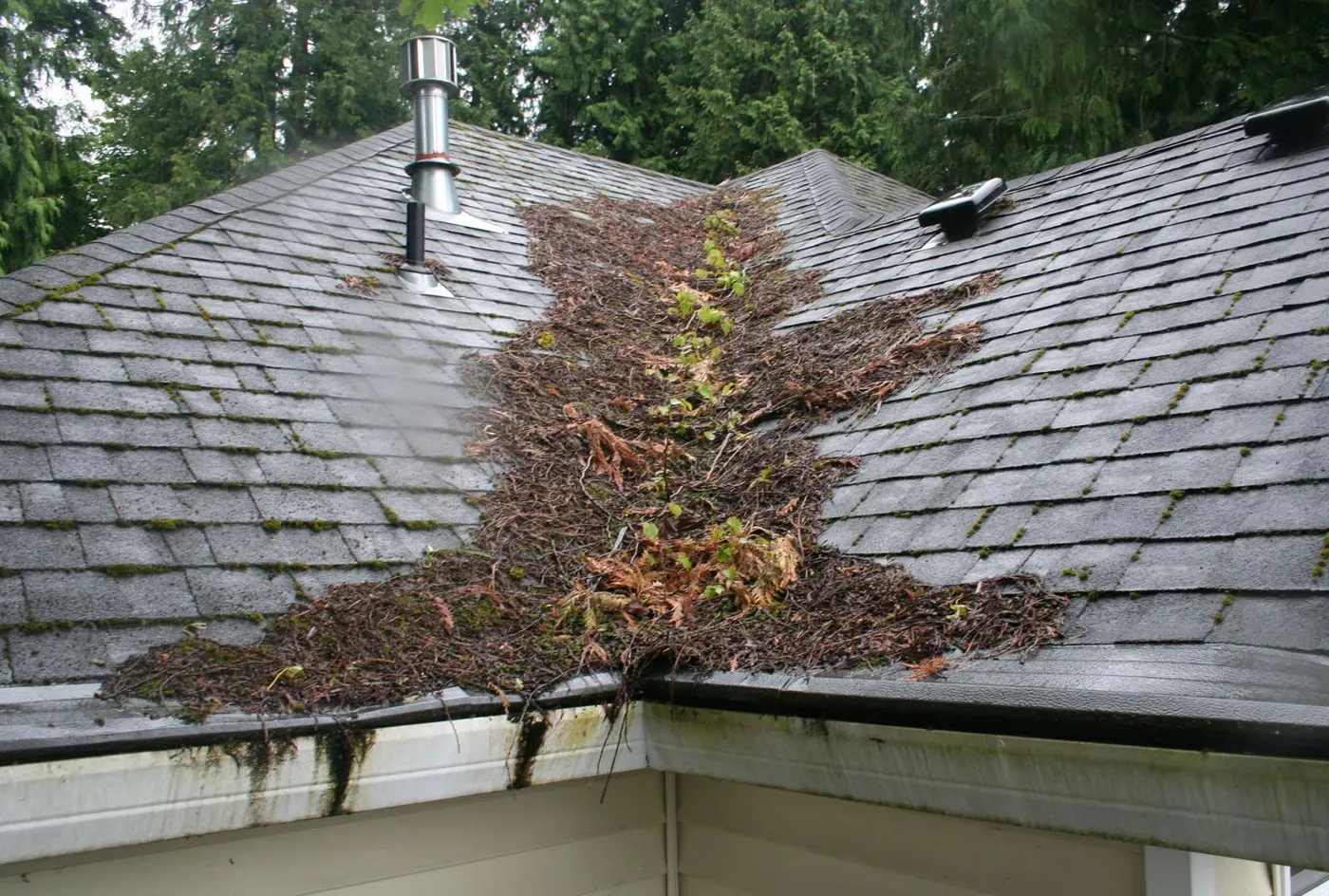
An asphalt shingle roof lasts 15 to 30 years by published national figures. In Sioux Falls, hail and wind often end a roof's life before age does. A replacement on most homes takes 1 to 3 days.
How long does a roof last?
It depends on the material. These are the lifespans HomeGuide publishes.
| Material | Published lifespan |
|---|---|
| 3-tab asphalt shingles | 15 to 20 years |
| Architectural shingles | 20 to 30 years |
| Luxury asphalt shingles | 25 to 40 years |
| Metal | 30 to 80+ years |
| Wood shakes | 25 to 30 years |
| EPDM rubber (flat) | 15 to 25 years |
| TPO (flat) | 10 to 25 years |
These are national figures. A roof that has been through large hail may not reach them.
How long does a roof replacement take?
A roof replacement takes 1 to 3 days on most homes, depending on size and weather. A simple, single-layer house roof can be finished in one day by a full crew in dry weather. Larger or flat commercial roofs take longer. Steep pitches, several layers to tear off and decking repairs add time.
What is the best time of year to replace a roof?
Late spring through early fall is the best time of year here. Shingle seal strips need warmth and sun to bond, and the days are long and mostly dry. It is also storm season, so after a large hail event schedules fill quickly. If your roof is worn but not leaking, booking ahead of summer helps.
Can a roof be replaced in winter or in extreme heat?
A roof can be replaced in winter on dry days, with care, and shingles can be installed when it is below freezing if the maker's cold-weather steps are followed. Shingles are stiff in the cold and their seal strips will not bond until it warms up, so makers call for hand-sealing in cold weather. Snow and ice must be off the roof. Summer heat is less of a problem here than in the South. On very hot days shingles scuff easily, so crews start early.
What happens if it rains during the job?
If it rains during the job, work stops and the open area is covered. A good crew tears off only what it can make watertight the same day and watches the radar, which matters here because summer storms build fast. Underlayment and tarps protect the deck until work starts again.
Do I need to be home, and how loud is it?
You do not need to be home, but we need a way to reach you. It is loud. Tear-off and nailing sound like steady hammering through the whole house. Pets and small children often do better elsewhere for the day, and people who work from home may want to plan around it.
How do I get my house and yard ready?
Get ready by clearing space around the house and protecting what is under the roof.
- Move cars out of the garage and driveway before the crew arrives.
- Take down wall hangings and loose items on shelves, since hammering shakes the house.
- Cover things stored in the attic.
- Move patio furniture, grills and planters away from the walls.
- Mark sprinkler heads and anything fragile in the garden beds.
- Tell the neighbors.
How long will I wait for a start date?
The wait for a start date depends on the season and the weather. After a major hail or wind storm, every roofer in the area has a long list and materials can run short. Ask for an expected start window with the written quote. Weather can move it.
Do 30-year shingles really last 30 years?
Often not in Sioux Falls. The 30-year label is a product name from the maker, not a promise for our weather. The published life of architectural shingles is 20 to 30 years, and hail, wind and temperature swings push many local roofs toward the low end. Good attic ventilation, sound flashing and prompt repairs after storms help a roof reach the upper part of that range.
How long can the roof be left exposed during the job?
Bare decking should not be left exposed overnight. A crew should tear off only what it can cover with underlayment the same day. Synthetic underlayment can shed rain for a short time, and its maker sets the limit on exposure to sun. If a job drags on under tarps for days, ask why in writing and ask for a firm return date. Tarps do not last long in our wind.
How long before new shingles settle and lie flat?
New shingles settle and lie flat once the sun has warmed them enough for the seal strips to bond. In summer that takes days. A roof put on in late fall or winter may not fully seal until spring, which is why cold-weather shingles are sealed by hand. Slight waviness in the first weeks is normal. Lifted corners that stay up after warm weather should be checked.
A free roof inspection with photos and a written quote is the first step. Call (605) 273-7260 or send the form on this page.